
All posts by Alice

Mike’s experience in the technology industry is quite extensive. During his career, he has had the good fortune of serving both as a designer of complex enterprise applications and as a corporate executive. After a career in Austin-San Antonio as an award-winning software developer for over twenty-five years, mike lives in Port Aransas managing Texas Beach Homes with a license to practice real estate in the state of Texas and a digital marketing e-Pro specialization from the National Association of Realtors. Formerly the founder/CEO of AssetWorks and USAF Officer for the New Technology Division Electronic Security Command with a graduate degree in computer science from Ohio State University.

3D Printing may Revolutionize Coastal Construction

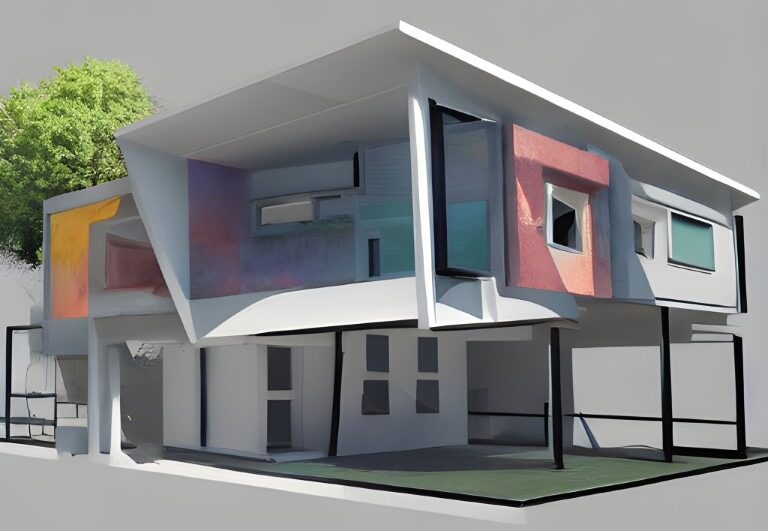
3D printed homes have the potential to revolutionize the construction industry by offering faster and more efficient building methods, as well as providing sustainable and affordable housing solutions.
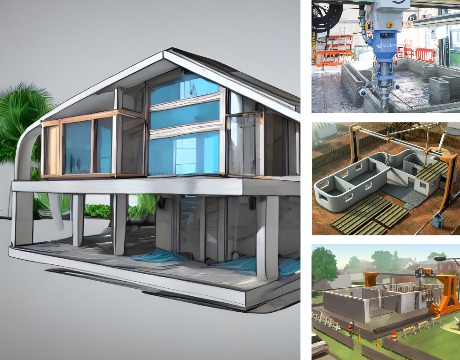
Printed homes are structures that are built using 3D printing technology. In this process, a large-scale printer is used to construct the walls, roof, and other parts of a building layer by layer, using materials such as concrete, plastic, or a combination of materials. The process of 3D printing homes is often faster and more cost-effective compared to traditional construction methods, as it eliminates the need for manual labor and reduces waste.

3D printed homes can be designed to meet specific requirements, such as energy efficiency, accessibility, and affordability. They can also be customized to meet the specific needs and preferences of the occupants. Additionally, 3D printing technology allows for the creation of complex shapes and designs that would be difficult or impossible to achieve using traditional construction methods.

Overall, 3D printed homes offer an innovative solution for addressing the global need for affordable and sustainable housing and are an exciting development in the construction industry. However, the technology is still in the early stages of development, and further research and development is needed to improve the efficiency, durability, and safety of 3D printed homes.

The type of cement used for 3D printed homes can vary depending on the specific 3D printing technology and the desired properties of the final structure. Some common types of cement used for 3D printing include:

  • Portland cement: This is the most used type of cement in construction and is made by heating a mixture of limestone and clay to high temperatures. Portland cement is strong, durable, and sets quickly, making it a good choice for 3D printing.
  • Geopolymer cement: This type of cement is made from industrial waste materials and is a more sustainable alternative to Portland cement. Geopolymer cement is also lightweight, fire-resistant, and has good insulation properties, making it a good choice for 3D printing.
  • Fiber-reinforced concrete: This type of concrete is made by adding fibers, such as steel or glass, to the mixture to improve its strength and durability. Fiber-reinforced concrete is often used for 3D printing, as it provides added stability to the structure and helps reduce the risk of cracking.
  • Self-compacting concrete: This type of concrete has a high fluidity and can flow into tight spaces and fill complex shapes, making it well-suited for 3D printing. Self-compacting concrete is also less prone to cracking and has good resistance to shrinkage, which makes it a good choice for 3D printed homes.

The type of cement used for 3D printing will depend on the specific requirements of the project, including the desired properties of the final structure, the climate and environmental conditions, and the availability of materials.


Building 3D printed homes comes with several potential risks and challenges, including:

  • Structural integrity: The long-term structural integrity of 3D printed homes is still uncertain, as the technology is new and has not been widely tested over time. There are concerns that the structures may not be as durable or resistant to natural disasters and other types of stress as traditionally built homes.
  • Material quality control: Ensuring consistent quality and uniformity of the building materials used for 3D printing can be challenging, especially for large-scale projects. This can lead to issues with the strength and stability of the structure, as well as potential safety hazards.
  • Cost: 3D printing technology can be expensive, and the cost of building a 3D printed home may be higher than traditional construction methods. Additionally, the cost of materials and labor may vary depending on the location and availability of resources.
  • Planning and zoning regulations: 3D printed homes may not meet all local building codes and regulations, and there may be issues with obtaining the necessary permits and approvals to build a 3D printed home in certain areas.
  • Energy efficiency: The thermal performance and energy efficiency of 3D printed homes may be lower than traditional construction methods, and more research is needed to determine the most effective ways to improve the energy efficiency of these structures.
  • Waste management: The 3D printing process generates a significant amount of waste material, and the disposal of this waste can pose environmental and health risks.

Despite these risks, 3D printed homes have the potential to revolutionize the construction industry by offering faster and more efficient building methods, as well as providing sustainable and affordable housing solutions. However, it will be important to carefully consider these risks and to continue to research and develop the technology to address these challenges and ensure the safety and reliability of 3D printed homes.


You can buy 3D construction printers from a variety of sources, including:

  • Manufacturer websites: Many companies that specialize in 3D printing technology offer their products directly through their websites. This can be a convenient way to purchase a 3D construction printer, as you can compare different models and specifications and purchase directly from the manufacturer.
  • Online marketplaces: Online marketplaces such as Amazon and Alibaba offer a wide range of 3D construction printers from different manufacturers. This can be a good option if you’re looking for a variety of choices and competitive prices.
  • Local dealers and distributors: You can also purchase 3D construction printers from local dealers and distributors in your area. This can be a good option if you’re looking for hands-on support and demonstrations, or if you prefer to purchase from a local business.
  • Trade shows and exhibitions: Trade shows and exhibitions focused on construction and building technology are a good place to see and learn about different 3D construction printers. You may also be able to purchase a 3D construction printer directly from the manufacturer at these events.
  • When purchasing a 3D construction printer, it’s important to carefully consider your specific needs and requirements, as well as the type of materials you will be using, the size of your projects, and your budget. You should also consider the support and training that is available from the manufacturer or seller, as well as the reputation and reliability of the company.

There are companies that manufacture cement for use in 3D construction printers, including:

  1. GCC: A leading producer of cement, ready-mixed concrete, aggregates, and innovative solutions for the construction industry.
  2. CEMEX: This is a leading supplier of building materials, including cement, and offers a range of products suitable for use in 3D construction printing.

These are companies that offer cement for use in 3D construction printing. When choosing cement for your 3D construction printer, it’s important to carefully consider your specific needs and requirements, as well as the properties and performance of the cement. You should also consider the cost and availability of the cement, as well as the reputation and reliability of the manufacturer.


Yes, there are several 3D printed communities around the world. These communities are designed and built using 3D printing technology, and often feature homes and other structures that have been printed using large-scale 3D printers.

Some examples of 3D printed communities include:

  1. Icon: This US-based company has built several 3D printed homes in Texas and other states and is working to develop 3D printed communities that can provide affordable and sustainable housing solutions.
  2. Impression 3D: This French company has built several 3D printed homes and is working to develop 3D printed communities in France and other countries.
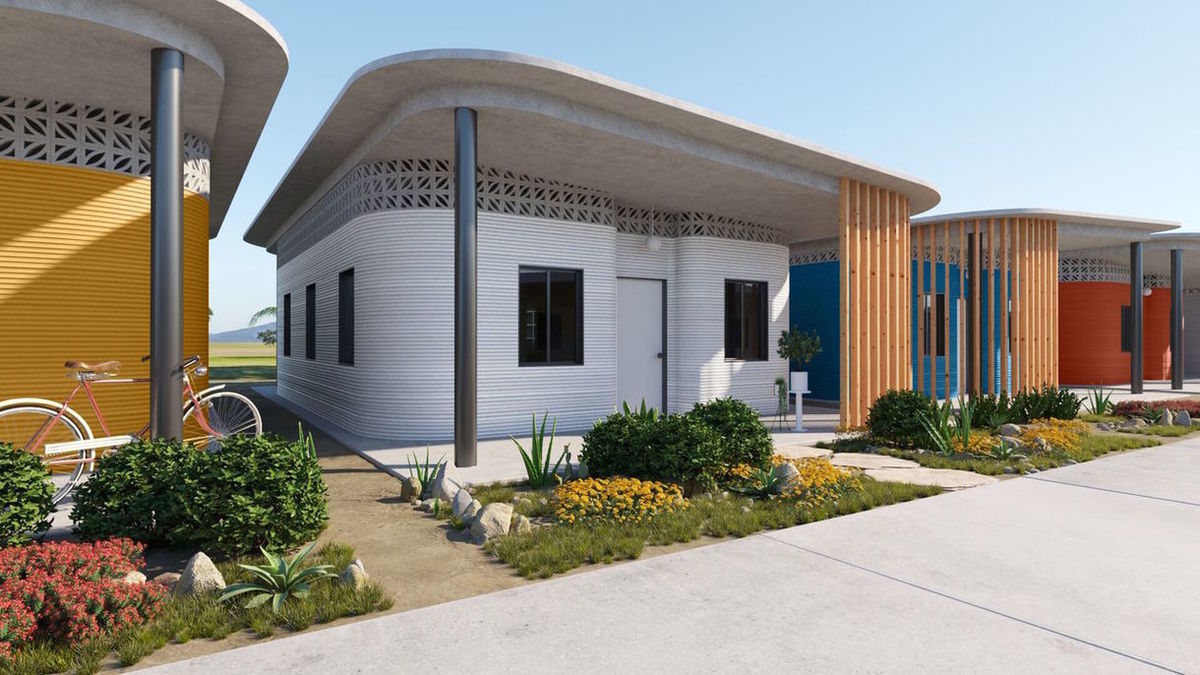
These 3D printed communities represent exciting developments in the construction industry and are helping to demonstrate the potential of 3D printing technology to revolutionize the way we build and live. However, the technology is still in the early stages of development, and further research and development is needed to improve the efficiency, durability, and safety of 3D printed homes and communities.


Texas Hurricane Homes

Texas Beach Homes is putting together a project to build a 3d-Printed home community on the Island, in partnership with GCC (our supplier of choice for cement), and landowners on the north-end of the island, with special financing through the federal Opportunity Zone (OZ) investment program.

Our goal is to build $99k beach homes. Stay tuned at a site we are just putting online at TexasHurricaneHomes.com

Comments Off on 3D Printing may Revolutionize Coastal Construction

SpaceX Fires Engines for launch by South Padre

SpaceX conducted an epic thirty-three engine Starship test fire on Boca Chica Beach by South Padre Island; will the upcoming launch debut make real estate in the area go up with the rocket?

SpaceX is preparing for the first-ever Starship orbital test flight, which will include the Booster 7 Super Heavy prototype as well as an upper-stage variant known as Ship 24. Static test fires are part of those preparations, in which their engines are briefly ignited while the vehicles remain anchored to the ground. The Ship called “twenty-four” has already started all the engines.

The static test fire is a huge milestone, and one of the biggest hurdles to clear before Starship can make its first orbital attempt. If everything goes well the debut orbital test flight could lift off as soon as February or March 2023, SpaceX founder and CEO Elon Musk said.


SpaceX’s Super Heavy is a planned reusable rocket booster that will be used in conjunction with the company’s Starship spacecraft. The goal of Super Heavy is to make space travel more cost-effective and sustainable by reducing the cost of each launch and enabling rapid reuse of the rocket’s components.

  • Super Heavy will be powered by over thirty Raptor engines, which are highly efficient and environmentally friendly engines developed by SpaceX.
  • The rocket will be capable of carrying the Starship spacecraft to orbit, where it can then be used for a variety of missions, including satellite launches, interplanetary missions, and eventually, human missions to Mars.
  • The Super Heavy booster will also play a key role in returning the starship spacecraft to Earth after missions. The booster will be able to land itself vertically on landing pads, which will allow it to be quickly refurbished and reused for future launches.
  • In terms of design, Super Heavy will be a large, cylindrical rocket with a diameter of nine meters and a height of sixty-eight meters. The rocket’s powerful engines and sophisticated avionics systems will enable it to perform complex missions with high reliability and accuracy.
  • Overall, the Super Heavy booster is a critical component of SpaceX’s vision for a sustainable, multi-planetary human civilization.

SpaceX’s Super Heavy is currently under development and has not yet been built. However, the company is constructing and testing the rocket at its facilities in Boca Chica, Texas, which is located near South Padre Island on the Gulf of Mexico. Boca Chica was selected as the main development and testing site for SpaceX’s Starship program, which includes both the starship spacecraft and the Super Heavy booster.

SpaceX has been actively constructing facilities and infrastructure at Boca Chica, including a large production and assembly building, launch and landing pads, and high-speed test tracks for the company’s Starship prototypes. The company has been conducting a series of test flights with its starship prototypes at Boca Chica and plans to use the site for the first launches of the Super Heavy booster and the fully integrated starship spacecraft in early 2023.

SpaceX moved its Starship development and testing operations from California to Boca Chica, Texas, for several reasons:

  • Space: Boca Chica provides SpaceX with a large amount of open space and low population density, which is necessary for the company to conduct its large-scale rocket tests and launches.
  • Access to the Gulf of Mexico: Boca Chica’s location near the Gulf of Mexico allows SpaceX to perform over-water launches and landings, which are important for the company’s reusable spacecraft.
  • Proximity to SpaceX’s other facilities: Boca Chica is located close to SpaceX’s other facilities in Texas and Florida, making it easier for the company to transport personnel and equipment between sites.
  • Support from local government: The local government in Boca Chica has been supportive of SpaceX’s operations, which has helped the company to quickly build out its facilities and begin testing its spacecraft.

Overall, Boca Chica provides SpaceX with the necessary resources and support to conduct its large-scale rocket development and testing operations. The company’s decision to move its starship program to Boca Chica reflects its commitment to advancing its reusable spacecraft technology and making space travel more accessible and sustainable.

Watch the Starship Animation

Texas Beach Homes’ Michael Stuart at SpaceX Boca Chica Beach
Alice and Mike are no strangers to space! Alice owns real estate on Boca Chica Beach, and when Mike was CEO/AssetWorks, he won the NASA FAME award with Brown & Root for the software that prepared the Space Shuttle launches. 


Comments Off on SpaceX Fires Engines for launch by South Padre

The Best Time to Buy in our Market Cycle

What is the best phase of the real estate market cycle to purchase a second home on the Texas coast?

It can always be a good time to buy, at the right price and for the right strategy, but it’s important to know the cycle and have expert advice, and a developer-investor would act sooner than a second homeowner. 

  • A successful person in a metro often doesn’t make a real estate expert on the Texas coast. Fortunately, we can help, as we’ve spent the last twenty-five years tracking data and learning lessons that we like to share.
  • The Real estate market cycles repeat but with unpredictable timing; never-the-less, understanding the housing market cycles can make or break the success of investments.

The Recovery phase is considered the time to buy because prices have stopped falling and everyone else is still bearish. You can benefit from below-market prices in an economy that is about to boom.


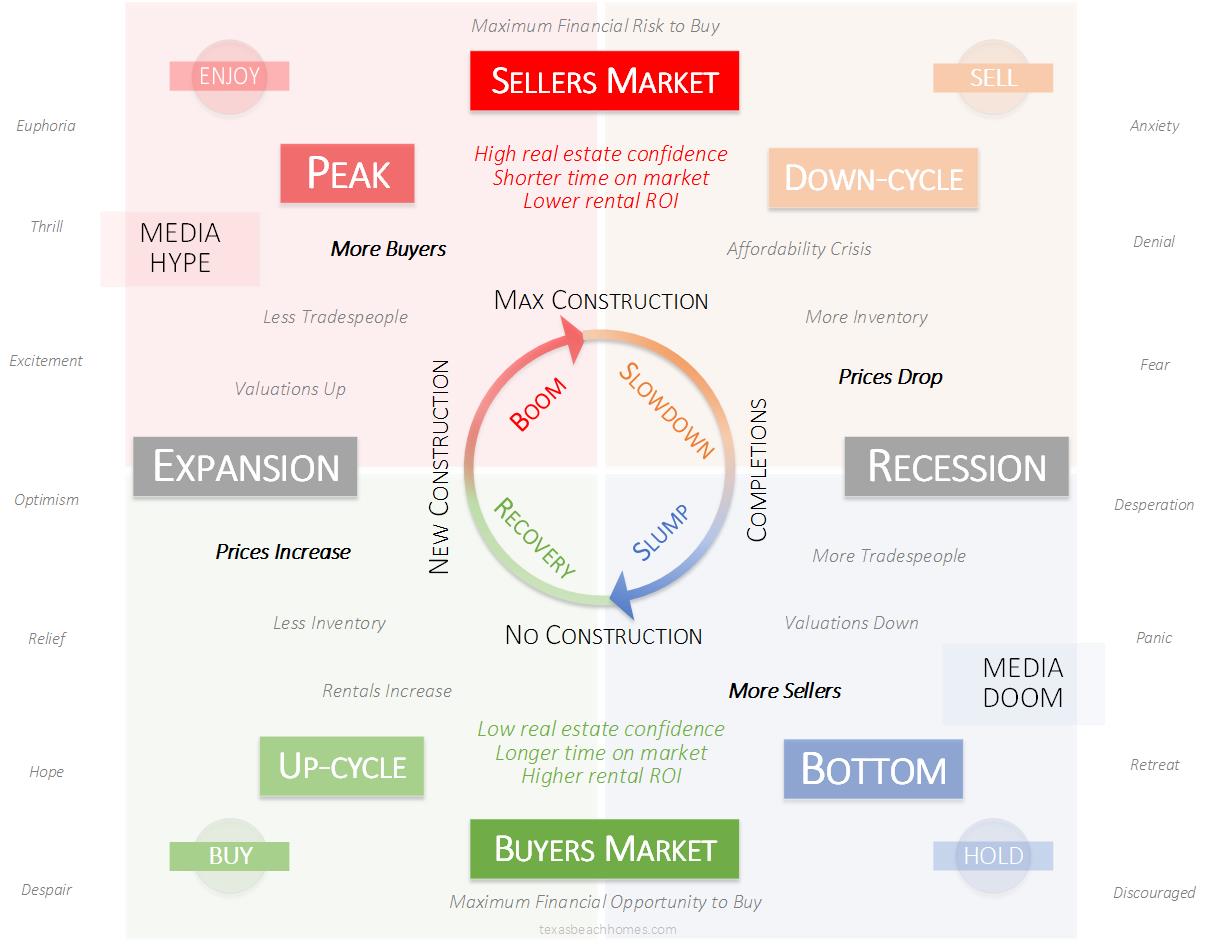
The real estate housing market cycle is a repeating pattern of changes in the supply and demand for housing, which affects prices, construction activity, and market sentiment. The cycle typically includes the following stages:

  • Boom: This is a period of increased demand for housing, rising prices, and increased construction activity. During this stage, the market is characterized by low interest rates, a strong economy, and optimistic consumer sentiment. Many construction projects will begin during this phase due to economic growth. Property prices are high, and it is a seller’s market.
    • Expansion – involves the acquisition of additional properties, development of new properties, or the expansion of existing properties, driven by market demand, growth opportunities, or strategic objectives to increase revenue, market share, or brand recognition, and can require significant investments of time, money, and resources.
    • Peak: This is the point at which housing prices have reached their highest level and demand begins to slow down. The market may become overpriced, and there may be signs of a slowdown in the economy. This is the worst time to invest in properties.
  • Slowdown: This stage is characterized by declining demand, decreasing prices, and reduced construction activity. Interest rates may start to rise, and the economy may begin to slow down.
    • Recession – a decrease in economic activity, which leads to a reduction in demand for real estate, which causes property values to decline, and the volume of transactions to decrease. As a result, real estate development and investment slows down, and construction projects may be put on hold.
    • Bottom: This is a period of significant decline in housing demand and prices, and a decrease in construction activity. Unemployment rates may increase, and consumer sentiment may be negative. This is a time to look for deals to purchase below market value.
  • Recovery: This stage is characterized by a return to growth in the housing market, with increased demand, rising prices, and increased construction activity. Interest rates may remain low, and the economy may start to recover.


It’s important to note that the real estate housing market cycle can vary in length and intensity, and can be influenced by a variety of factors, including economic conditions, consumer sentiment, product innovations and government policies.

  • The best time [for you] to buy depends on your financial situation, long-term goals, and risk tolerance. In general, the “buy low, sell high” adage applies to the real estate market, so it may be advantageous to buy during a period of declining prices, such as the Slowdown or Slump phase of the cycle. However, during these phases, there may also be increased uncertainty and risk in the market, which could result in further price declines.
  • On the other hand, during the expansion and peak phases, prices are typically higher, but there may be more stability in the market. If you’re able to afford it and are looking for a long-term investment, buying during these phases may be a good option.

New construction activity and property cycles

New construction activity is an important indicator of the property cycle. The property cycle refers to the natural fluctuations in supply and demand for property that occur over time, driven by various economic, social, and environmental factors. The property cycle typically includes four phases: expansion, peak, contraction, and trough.

  • During the expansion phase, demand for property is high, and prices are increasing. As a result, new construction activity tends to increase as developers rush to take advantage of the favorable market conditions. This can lead to an oversupply of property as the market approaches the peak phase.
  • During the peak phase, demand for property begins to slow, and prices may begin to level off or even decline. Developers may continue to build new properties, but at a slower pace. As the market moves into the contraction phase, demand for property continues to decline, and prices fall further. Developers may stop building new properties altogether as the oversupply of property becomes apparent.
  • Finally, in the trough phase, demand for property reaches its lowest point, and prices are at their lowest. Developers may still be hesitant to build new properties, but as the market starts to recover, construction activity may pick up again.

In summary, new construction activity tends to increase during the expansion phase of the property cycle, slow down during the peak and contraction phases, and may pick up again during the recovery phase. By monitoring new construction activity, investors and real estate professionals can gain insight into the current phase of the property cycle and make informed decisions about buying, selling, and developing property.


What you can learn from the property cycle

  • Recovery phase prices usually start higher than during the last recovery.
  • Property cycles have different time variances in different areas.
  • It is normal for property prices to go up and down.
  • Buy at the bottom of the cycle and sell at the top of the cycle.
  • Do not over-leverage at the peak of the property cycle.
  • Do not panic-sell when prices are dropping.
  • Be a seller when everyone else is buying
  • Be a buyer when everyone else is selling

It’s important to carefully consider all the factors involved, be wise and consult with us before making an investment decision. 

a Market in decline when: a Market is growing when:
Decrease in home prices
Increase in time on market
Increase in home prices
Decrease in time on market

The Historical 18 Year Real Estate Cycle

A stunning aspect of the real estate cycle is not its inevitability but rather its regularity. Economist Homer Hoyt, through a detailed study of the Chicago and broader US real estate markets, found that the real estate cycle has run its course according to a steady 18-year rhythm since 1800!  Harvard University / Hoyt’s statistics predict a bottom ~2024, which oddly enough correlates with Google’s demand prediction!

View the Historical Cycles Chart


Read More Real Estate Market Analysis

TexasBeachHomes offers real estate analysis to help you find the best investment property for your specific needs. It is always advisable to have a steady income and cash reserves. 


Also see:

The Texas coast market is at Peak 1st Quarter 2023

Comments Off on The Best Time to Buy in our Market Cycle

Why are you Buying a Second Home?

Why are you Buying a Second Home

We’d like to help answer these questions and more such as:

  • Why are you Buying a Second Home
    • What’s your Main Reason?
    • Steps to Purchase a Second Home
    • The pros and cons
    • Popular product types
    • Lifestyles, Parts of town, and Views

  • What a Second Home Costs
    • Initial Costs to Buy the House
    • Ongoing ownership Costs
  • How Much Can You Afford?
    • How Much you Can Spend on your Mortgage
    • How Much you Can Pay for your Second Home
    • How to Budget for a More Expensive Home
  • What and Where to Buy
    • Reviewing your House-Type options
      • Choosing a Property Type
      • Comparing Property Types
    • New Construction or Existing Home?
    • Finding for a location
      • Investment
      • Second Home
      • Retirement
  • Finding the Right Home
    • Evaluating Physical Condition
    • Adding Contingencies to your offer
      • Property Search for investors
      • Property Search for Vacationers
      • Property Search for Retirees
    • Choosing a worthwhile investment
  • Experts Can Save Time and Money
    • Working With Real Estate Agents
    • Working With Mortgage Brokers
      • Working With Attorneys
      • Working With Appraisers
      • Working With Inspectors
    • Working With Title Companies
    • Financial and Estate Planners
    • Tax Professionals
  • Fixer-Uppers
    • Are they a good deal?
    • Ready for Chaos?
    • Planning for Tenants?
    • How much does it Cost
      • For distinct types of repairs
        • Doing walk-throughs
        • Opinion from an inspector
        • Estimate from a contractor
      • How Will you Pay for Repairs?
      • Who Will do the Work?
      • Keeping Track of Costs
  • Buying from Sellers (FSBO)
    • Why Some Sellers go without a Real Estate Agent
    • Watch for inconsistent Pricing of FSBOs
      • Dealing With FSBO Sellers
      • Getting a Real Estate Agent’s Help
    • Finding FSBO Houses
  • Raising Up-Front Cash  
    • Building your Savings
    • Borrowing What you Can’t Save
  • Family and Friends Can Help
    • What is a Private Home loan?
      • How Private Home loan Helps the Family
      • How a Private Home loan Helps You
      • How a Private Home loan Helps Others
    • Combining Private loans with other loans
    • Choosing your interest Rate
    • Requesting the loan
    • Preparing the loan Paperwork
    • After you Receive the loan
  • Mortgage Options
    • Second-Home Mortgages
    • Lower your interest Rate
    • Improve your Credit Score
    • Where to get a Mortgage
  • Buying with Others
    • The Pros and Cons of a Shared Purchase
    • Finding a Shared-Purchase Partner
      • How to determine Co-buyer Compatibility
      • Co-ownership options for Holding Title
      • Co-ownership Agreements
    • Whether to Form a Separate Business Entity
  • Being a landlord
    • Should you Be a landlord?
    • Long- or Short-Term Rentals?
      • Long-Term Rentals
      • Seasonal Short-Term Rentals
    • Property Management
    • Property Insurance
  • Tax-Saving Strategies
    • Second-Home Taxes
    • How to Lower Taxes
    • Deductions for Rentals
    • Minimize Capital Gains

Read about lifestyle influences! an important consideration to getting the right home on the Texas coast.

Read more about Second Homes on the Texas Coast

Comments Off on Why are you Buying a Second Home?

Texas Coast Resiliency (Ike Dike and Barrier Islands)

Texas Coast Resiliency

The Texas coast refers to the area along the Gulf of Mexico that runs from the Sabine River in the east to the Rio Grande in the south. The coastline stretches for approximately 367 miles and includes several major cities such as Houston, Corpus Christi, and Galveston.

  • The Texas coast is known for its warm waters, sandy beaches, and abundant wildlife. It is a popular destination for fishing, boating, and other water-based activities. The region is also home to several state and national parks, including Padre Island National Seashore, which is the longest undeveloped barrier island in the world.
  • The Texas coast is vulnerable to hurricanes, with several devastating storms having hit the region in the past, including Hurricane Harvey in 2017. Despite this risk, the area remains a popular tourist destination and is an important economic driver for the state of Texas.

Along the Texas coast, vital resources critical to the social, economic, and environmental welfare of the nation are at risk. When storms damage homes, businesses, infrastructure, and the natural environments of the Texas coast, the immediate fallout and the continued aftermath affect not only the people who live in these coastal counties, but also the entire nation.

Due to the importance of the Texas coast, the United States Army Corps of Engineers (USACE) has partnered with the State of Texas General Land Office (GLO) to identify and recommend solutions.

The goals are to reduce risks to communities, public health, and the economy; to restore critical ecosystems; and to advance coastal resiliency.

  • The Galveston Ike Dike gate project alone would account for at least $16 billion and require 18 years to build, according to U.S. Army Corps of Engineers estimates. The gates would span a 2-mile gap from Galveston Island to Bolivar Peninsula.
  • The most prominent feature of the coastal barrier would be floodgates, including some 650 feet wide to prevent storm surge from entering Galveston Bay and plowing up the Houston Ship Channel. An 18-mile ring barrier system would also be built along the backside of Galveston Island to protect homes and businesses from storm surge.

The Texas Coast Resiliency plan includes beach and dune ecosystem restoration projects along the Texas coast!

Congress will fund the project in small appropriations rather than all at once but did approve a bill that would authorize federal agencies to plan for an estimated $31 billion project intended to protect the Texas coast from hurricanes.

  • Hundreds of millions of dollars have already gone into studying the idea to build a system of concrete gate barriers at the mouth of Galveston Bay. Nicknamed for the destructive hurricane that hit Galveston Island in 2008, the so-called Ike Dike could be the largest civil engineering project in U.S. history.
  • The project is included in the Water Resources Development Act, which contains various federal water, coast and flooding projects that require congressional approval to move forward but does not allocate funds.
  • Republican Sen. John Cornyn said the project brings Texas “one step closer” to ensuring the state’s coast will be as “prepared as possible” for future hurricanes.
  • “Protecting the Texas coast from devastating hurricanes is a top priority when it comes to preserving the livelihoods of Texans and ensuring the massive amount of international trade that relies on our state can resume after a storm,” Cornyn said in a statement.

The Ike Dike is part of the larger Texas Coastal Project, which was proposed to protect the state’s shoreline against hurricane storm surge and rising sea levels. It includes a series of other coastal infrastructure and environmental projects, from artificial barriers to beach and dune restoration.

The Ike Dike was first conceptualized by Bill Merrell, a marine sciences professor at Texas A&M University in Galveston. The current plan imagines artificial islands anchoring huge floating gates more than 80 feet tall that could close as water levels rise during a storm.

On each side of the floating gates, concrete towers would rise more than 100 feet in the air to hold more vertical gates that could lower into the water during a storm. When closed, the gates could reduce surge into Galveston Bay by 30% to 60%, according to the U.S. Army Corps analysis, depending on the hurricane’s track and intensity.

Reference


Comments Off on Texas Coast Resiliency (Ike Dike and Barrier Islands)

Texas Metro Demand for Coastal Real Estate

Texas Metro Demand for Coastal Real Estate

Except for Dallas (which prefers Destin Florida by airplane), Texas metro demand for coastal real estate is primarily driven by driving distance to the beach. As is the case for most second-home markets.

  • Texas Metro real estate interest charts, from the huge amount of data collected from Google search history, align wonderfully with our website analytics and actual sales, with an added ability to predict sales trends six months in advance!
  • This is particularly useful to help identify the peaks and bottoms of our 10+ year-long real estate cycle, yet even then, it’s difficult to spot and separate the long-term trends from our strong seasonal cycles, as you’ll see in the charts below.
  • Fortunately, we’ve become good at spotting the trends and will publish reports six months before we’re sure the markets are at a peak or bottom.

Below are snapshots that illustrate demand.

Texas Metro Markets (click on metro name to view chart)

  1. Dallas / Fort Worth > Destin Florida
  2. Houston > Galveston Island Texas
  3. Austin / San Antonio > Port Aransas
  4. Mcallen / Monterrey > South Padre Island
Comments Off on Texas Metro Demand for Coastal Real Estate

What comes first? Property Type or Location

Which Comes First? Property Type or Location?

Think about your ideal second home. What immediately comes to mind?

Did a specific type of home come into your head, or did you instead picture a location, such as on the beachfront? If you plan to buy a second home with someone else (such as a spouse, significant other, or friend), ask that person the same question. There’s no wrong answer: It’s a matter of personal choice and your home-buying goals.

Knowing whether property type or location is driving your decision will help you create a balance between the two, especially when you must make tradeoffs. For example, you might decide to buy a condominium instead of a single-family home to buy in a more desirable area. Or you might decide to shift your location if your heart is set on owning a single-family home.

Reviewing your options is not just the home’s shape, size, and décor, but also how the ownership is legally structured.

Overview of the property types

Single-family home. A dwelling meant for one family or household that is not attached to other homes. Ownership includes both the house (structure) and the land it sits on.

Multifamily home. A dwelling meant for two or more families or households that is not attached to other homes. You’ve heard of them as duplexes (two families), triplexes (three families), or quadruplexes (four families). Ownership includes both the house (structure) and the land it sits on. Homes with five or more units are not addressed in this book, because they’re considered commercial properties and are a different ballgame (for one thing, they require a commercial as opposed to a residential mortgage).

Townhouse. The term “townhouse” or “townhome” was originally coined to describe units within row housing tracts, usually in urban areas. Now it refers to a dwelling, usually with two or more floors, which shares one or more common walls with similar, attached structures to the left and right and has its own entrance. That means you can have neighbors on either side of you, but not above or below. Ownership includes both the unit (interior and exterior, meaning walls and roof), and the land it sits on, plus a proportionate interest in the common areas. These common areas are maintained and managed by a homeowners’ association, to which you normally pay a monthly fee. Owners abide by a set of covenants, conditions, and restrictions (CC&Rs) governing use of their property and other community matters.

Condominium (condo). A dwelling (usually on one floor) surrounded by similar units within a larger building. The units often share a main entrance. Units are owned individually, while the land and any common areas are owned jointly. The exterior parts of the buildings and the common areas are maintained and managed by a homeowners’ association, to which you normally pay a monthly fee. Owners abide by a set of CC&Rs governing use of their property and other community matters.

Cooperative (co-op). A dwelling is like a condominium, except that the residents are shareholders of a corporation that, in turn, owns the individual units as well as the land. The corporation holds the deed on the property, while you’re issued a stock certificate specifying how many shares of the corporation you own. The larger, more desirable units require owning a high percentage of shares. You also receive a lease allowing you to occupy your individual unit, much like a tenant would. Shareholders or owners elect a board of directors, which functions like a homeowners’ association, setting and collecting monthly dues for maintaining the land and common areas, and upholding the community’s rules and regulations.

Distinguishing Between Townhouses, Condos, and Co-Ops

Confusion reigns when it comes to differentiating between these three Property Types—partly because sellers sometimes use the wrong names themselves. Many people mistakenly believe that the differences are physical, as between a brick row house and an urban loft. However, the main differences depend on how your property ownership is legally structured. Let’s start with the central commonalities and differences between a townhouse and a condominium, which have to do with how much you own beyond the interior of your own unit, and in what form you own it.

For starters, in both townhouses and condominiums, any common areas—parking, planted areas, pool areas, and walkways—are partly yours, as you own them jointly with all your fellow owners. But in a townhouse, you own all your own unit—both the inside and the outside—plus you own the land upon which it sits. In a condominium development, by contrast, you own the inside of the unit, but not the exterior, and not the land upon which it sits. As for co-ops, your ownership is defined not by physical portions of the property, but by the number of shares you own in the corporation that owns the property. You have usage rights to an individual unit and to common areas.

You can’t tell by looking.

Many condominium developments are built to look like townhouses, some co-ops are built to look like apartments—it’s easy to be totally misled. Remember, legal ownership structure is the main determinant of whether a property is a condominium, townhouse, or co-op.

That’s why it’s important to examine the rules of ownership provided by the governing body or association (usually called “covenants, conditions, and restrictions,” or CC&Rs).

Comments Off on What comes first? Property Type or Location

Coastal Education by NOAA and USGS

Coastal Education and Tools by NOAA and USGS

The U.S. Geological Survey (USGS) and the National Oceanic Atmospheric Administration (NOAA) work together, along with the Texas GLO, to protect and renourish the Texas barrier islands.

ABOUT NOAA OCEAN & COASTS

Our ocean and coasts affect us — and we affect them. Almost 40 percent of the country’s population lives in coastal shoreline counties. These counties contribute $9 trillion to the U.S. economy. Climate change, sea level rise, more intense storms, and population growth are all challenges for our coastal communities. The National Ocean Service helps decision makers find solutions. NOAA is the nation’s leader in observing, measuring, assessing, protecting, and managing coastal, ocean, and Great Lakes areas.

NOAA and USGS Sites relevant to the Texas Coast

Also see USGS National Map Tool


Comments Off on Coastal Education by NOAA and USGS

Announcing North Padre Island, Whitecap Preserve

Located on North Padre Island, Whitecap Preserve is envisioned as a new master-planned community in the North Padre Island area of Corpus Christi.

This bay-to-gulf coastal destination is planned for a variety of homes, mixed-use facilities, and engaging amenities. It is being expertly designed to protect the natural treasures of the region providing residents a tranquil island respite. Whitecap will be that special place where treasured memories are created with family and friends.


Here’s the development plan overlayed on North Padre Island, which begs the question, why is the more valuable beachfront property not developed?

  • Given how many “big idea projects” have consecutively failed on North Padre Island, this doesn’t sound ideal! It’s not in the best location for North Padre, a “lowest price” development would be a better fit. Perhaps that’s the plan, given the developer specializes in distressed properties.
  • The local demand hasn’t preferred master planned developments which add expensive community features more typical of resorts with a short-term rental mindset.
  • And there’s too much available and planned development in adjacent Mustang Island, which is the most successful second home short term rental market on the Texas coast.

Corpus Christi should consider something like subsidized properties in this section akin to what Port Aransas has successfully done with Palladium

What has worked on North Padre is to build to actual demand one home or one multifamily complex at a time because all the buyers and renters are residents of Corpus Christi.

A more promising idea for Corpus Christi would be new high rise(s) on the beachfront! What happened to the Del Mar beach high-rise project?


Whitecap Preserve Corpus Christi

The Corpus Christi City Council approved a re-zone of the 240 acres on North Padre Island for a long-term development project. The master plan for Whitecap Preserve will include more than six hundred residential lots and an additional fifty acres for commercial and natural uses.

  • Corpus Christi Mayor Paulette Guajardo said the development will be a catalyst for economic activity on the island and in the mainland city.
  • “Corpus Christi will become known more as a beach city with developments like this,” District 4 City Councilman Greg Smith said of the project. “It will be a very different development than what we’re used to seeing on the Island right now.”
  • Whitecap Preserve will be built on the former Schlitterbahn and Waves Resort properties by Ashlar Development, a company known for building resorts in the Texas Hill Country.
  • Development is estimated to take up to 10 years to complete and will be built in phases. The finished product will include permanent residencies, short-term rentals, and a new system of canals with total access to the water.

The City of Corpus Christi also initiated a public improvement district to help with construction costs, which are valued between $800 million and $1 billion.

Construction may begin spring 2023 on the 240-acre North Padre Island project

  • Whitecap Preserve will rise on a site that was once home to a Schlitterbahn waterpark. Diamond Beach Holdings acquired the site through bankruptcy court in 2018 and rebranded the resort the following year, SABJ reported. Not long after, Diamond Beach closed the resort because of the pandemic’s impact on tourism in 2020. Last August, the waterpark was demolished along with a 92-room hotel and an outdoor theater.
  • “This project has been in discussions with the city for a couple of years in various forms and concepts of development,” said Iain Vasey, president, and CEO of the Corpus Christi Regional Economic Development Corporation. “The Padre Island part of Corpus Christi has not seen this amount of investment in many years, so it will be very exciting to observe the development of this project over time.”

Diamond Beach Holdings, the city of Corpus Christi and the Flour Bluff independent school district are development partners on the project, according to city documents. Place Designers is the architect.

Ashlar’s portfolio includes master-planned communities near Austin, Houston, Dallas and Mount Juliet, Tennessee, according to its website.


Reference City Presentation

Reference Press Release 

Comments Off on Announcing North Padre Island, Whitecap Preserve

Texas is one of the few “non-disclosure” states!

Texas is one of the few “non-disclosure” states!

In these nondisclosure states, it is exceedingly difficult for citizens and local governments to get real-estate sales data. Home Prices are Secret, however, licensed real estate brokers and their agents can share sales with their clients, including online through a virtual office website, which is how we operate when you register and agree to the terms of service.

It’s fast, fun, free and unbelievably valuable!
See how easy it is to become a member

This means there is no law that allows the state government, including appraisal districts, to force you to provide it with sales price information, thus for tax reasons, few buyers report what they bought their property for. The sales price does not have to be disclosed to anyone.

  • That’s why sites like Zillow and Trulia don’t have any public record data to pull, and why you won’t sales see any for Texas properties, and if you do see estimates, they are usually highly inaccurate.
  • The Texas Legislature has consistently argued that expanding government intrusion into the private lives of Texans is not an option. In other words, Texas will continue to remain a non-disclosure state.
Comments Off on Texas is one of the few “non-disclosure” states!