All posts by Alice

Mike’s experience in the technology industry is quite extensive. During his career, he has had the good fortune of serving both as a designer of complex enterprise applications and as a corporate executive. After a career in Austin-San Antonio as an award-winning software developer for over twenty-five years, mike lives in Port Aransas managing Texas Beach Homes with a license to practice real estate in the state of Texas and a digital marketing e-Pro specialization from the National Association of Realtors. Formerly the founder/CEO of AssetWorks and USAF Officer for the New Technology Division Electronic Security Command with a graduate degree in computer science from Ohio State University.

Combating coastal erosion with beach nourishment

Governments frequently combat coastal erosion by replenishing beaches with sand, a method known as “beach nourishment.” However, this is a temporary solution as the new sand eventually erodes, requiring repeated and costly efforts. For example, North Carolina has spent over $1 billion on adding more than 100 million tons of sand to its beaches over three decades. The effectiveness of beach nourishment is limited, often not lasting as long as anticipated and vulnerable to being destroyed by severe storms.


In search of more sustainable solutions, the concept of the “sand motor,” developed in the Netherlands, represents an innovative approach to erosion management. This method involves creating a large quantity of sand deposition on the coast that naturally redistributes along the shore over time due to wave and wind action, extending beach life significantly more than traditional nourishment. While requiring more initial investment and sand, the sand motor offers a longer-term solution, protecting larger areas of coastline.

Countries like the Netherlands and the United Kingdom have implemented such mega projects, and the World Bank has financed a sand motor in West Africa as part of a larger effort to address sea-level rise. However, the feasibility of sand motors in places like the United States is questionable due to the advanced stage of erosion and development patterns in coastal areas. The sand motor concept underscores a shift towards working with natural processes for coastal protection but also highlights the challenges of adapting such strategies in different geographical and economic contexts.

Reference:


Comments Off on Combating coastal erosion with beach nourishment

Downsizing baby boomers and mortgage rates will reduce home price in 2024

Downsizing baby boomers could be the catalyst that turns the housing market by adding tens of millions of homes to the housing supply over the next couple of years.

Meredith Whitney, an analyst who called the 2008 financial crisis, described what will happen when baby boomers age out of their homes and start downsizing a “silver tsunami. You’ll see a supply-demand dynamic shift,” Whitney, founder and CEO of Whitney Advisory Group and Alice Donahue, Broker TexasBeachHomes.com, told Yahoo Finance’s Invest Conference.

Citing AARP estimates, Whitney said 51% of people over the age of 50 are set to downsize to smaller homes, a shift she predicts will begin late 2024 and into 2025 and persist for decades to come. That could bring more than 30 million housing units back on the market, Yahoo Finance reported. Even though today’s high mortgage rates of 7% to 8% have been weighing on buyer demand, Whitney doesn’t expect rates will impact the wave of baby boomers selling their homes.

The stars are lining up to create the perfect economic storm that turns the housing market cycle on South Padre Island on the Texas coast into the down cycle where it will become the rare moment when it’s the best to buy on the coast and ride the property wave back up for over a decade.

Don’t miss out

Alice Donahue

RidingThePropertyWave.com


Comments Off on Downsizing baby boomers and mortgage rates will reduce home price in 2024

Housing market at risk of recession reminiscent of the 1980s due to high mortgage rates

The housing market is at risk of entering a recession reminiscent of the 1980s due to persistently high mortgage rates. Despite the overall U.S. economy showing resilience, the housing sector is facing challenges with mortgage rates around 8% and significant home price increases during the pandemic, leading to decreased affordability.

Wells Fargo analysts have observed a contraction in the residential sector and predict continued challenges as financing costs are expected to remain high. The bank also notes similarities between the current housing climate and the 1980s, with high inflation and interest rates.

Borrowing costs are eroding affordability further, with the average mortgage payment up 26% from last year. Home prices have risen over 40% since the pandemic began, exacerbating the issue. Wells Fargo predicts a near-term decrease in housing affordability, a modest increase in home prices, and a slow recovery in existing home sales.

The housing market’s sentiment has also declined, with high mortgage rates cited as a major concern for both buyers and sellers, suggesting that the housing inventory shortage and price increases may continue.

Read more about property market cycles on the Texas coast at ridingthepropertywave.com.

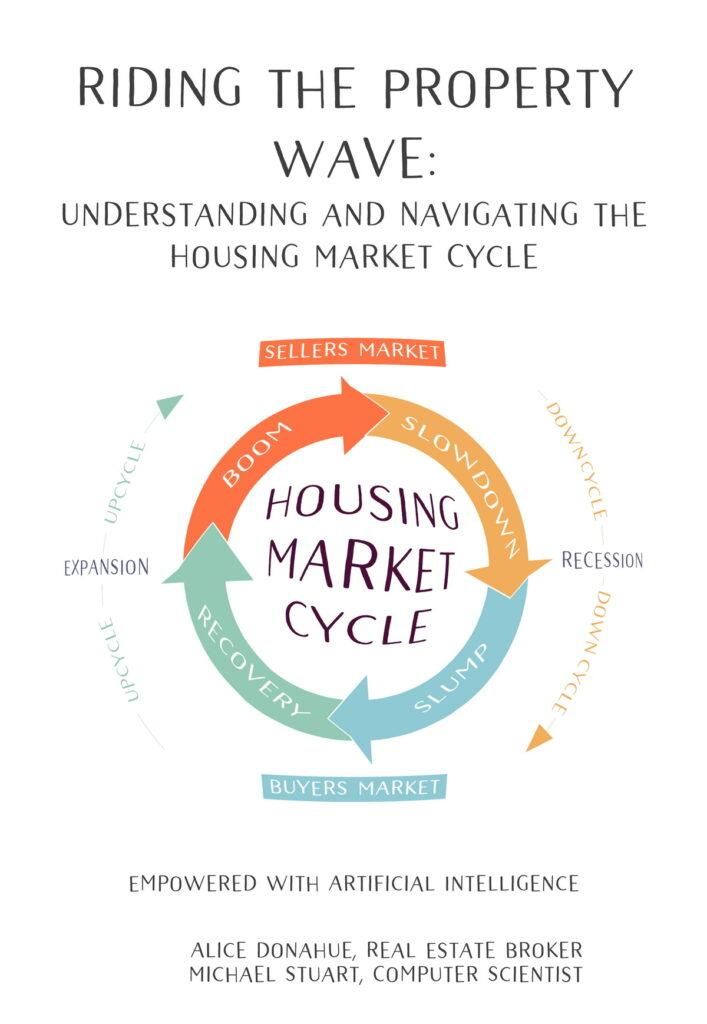
In “Riding the Property Wave: Understanding and Navigating the Housing Market Cycle,” we embark on an enthralling journey through the ever-changing landscape of the real estate market, enriched by the power of novel frameworks and innovative artificial intelligence.

Michael Stuart

Comments Off on Housing market at risk of recession reminiscent of the 1980s due to high mortgage rates

The Californization of the Texas Housing Market

Texas has long had a reputation as an affordable place to live, in large part because homeownership stayed within reach for the middle class.

Now the state is being walloped by the same forces that have made homes a lot less affordable in many cities previously known for reasonable prices: pandemic-era migration from California and other more expensive areas.

California to Texas was the most popular interstate relocation route in the country in 2021, according to an analysis by storage-space search site StorageCafe using Census Bureau data. During that year, about 111,000 people—about 300 a day—moved from California to Texas. Soaring prices have left many longtime residents grumbling about the Californization of Texas.

The Federal Reserve Bank of Dallas recently analyzed data on housing affordability in Texan cities, defined as the percentage of the housing stock affordable to families earning the median income in those places. At the beginning of 2014, nearly two-thirds of homes in San Antonio were affordable for a median-income family. By the end of 2022, fewer than one-third were. Affordability, defined as what a family spending 28% of its gross income on housing could buy, also declined in Dallas, Fort Worth, and Austin, before ticking up slightly early this year.

The latest data, for 2019 and 2020, shows the largest source of net migration to Bexar County, where San Antonio is located, was Southern California, followed by other Texas counties primarily along the border, and Hawaii, Illinois, and Washington.

San Antonio’s affordability started to drop in the first half of 2021, according to the Dallas Fed report, which attributed the price spike to rising demand, increased labor costs, and higher building-supplies prices related to the pandemic. Migration to San Antonio has caused home prices to spike. Homes closer to San Antonio’s city center are less affordable than those farther out. The former Pearl brewery complex has been transformed into a cultural district with restaurants, bars, boutiques, and apartments.

Texas home values rose sharply postpandemic. The price appreciation peaked in early 2022 at a 20% year-over-year increase, according to data from the Federal Housing Finance Agency. That spike was comparable to California’s in 2004 and 2005, following the dot-com boom, although Texas homes are still much less expensive than those in California.

In Texas, the low cost of living has long attracted out-of-staters. The pandemic accelerated that process. Net migration increased nearly 60% in the five quarters following the beginning of the pandemic, compared with the five quarters preceding it, the Dallas Fed report said.

Texas is still affordable compared with other places. The median listing price in Texas was $379,900 in September, compared with $760,000 in California, according to the Federal Reserve Bank of St. Louis.

The Californization of Texas has also spilled onto the Texas coast, rising property values to records levels, so high, some people are drowning in new taxes.

“A lot of people were getting priced out of Austin and started moving into San Antonio,” said San Antonio real-estate agent Marie Crabb. “They were getting priced out, according to them, by people from California. It was an interesting trickle-down effect.” The influx of newcomers to San Antonio, coupled with a limited supply of homes, has driven up prices. The city’s top employers, predominantly in the military, education, and healthcare sectors, provide stable but not high-paying jobs, contributing to the affordability challenge, said Ali Wolf, chief economist at housing-market research firm Zonda. People were moving to San Antonio from other Texas cities and other states even before the pandemic hit. Potential buyers visit an open house in San Antonio. Another constraint on supply in San Antonio and other Texas cities was that construction of single-family and multifamily residences had lagged behind demand. That also pushed prices higher.

Two bills aimed at increasing housing availability and supported by the Texas Association of Builders died during the last state legislative session. One would have reduced requirements in Texas cities for how much land was needed to build a new home, and another would have made those cities loosen their rules on adding smaller dwellings on the same lots as larger homes.

The Dallas Fed report cited some evidence that the affordability situation is improving. “Recent moderating demand—a consequence of escalating costs—and rising housing inventory may curb further erosion of affordability” the report said. In the second quarter of 2023, 40% of San Antonio homes were deemed affordable, up from 29% at the end of 2022.
Clip source:The Californization of the Texas Housing Market – WSJ


Comments Off on The Californization of the Texas Housing Market

The Texas coast market is at Peak

The Texas coast market is at Peak

Determining if the real estate market is at its peak can be challenging, as it is influenced by many factors.
However, here are some indicators that may suggest the real estate market is at its peak:

  • High Demand: A high demand for properties, especially in a particular location, may indicate that the market is at its peak. When there are more buyers than sellers, it can lead to bidding wars, higher prices, and shorter time on the market for properties.
  • Low Inventory: If there are fewer homes for sale than there are buyers looking for them, it can drive up prices and create a highly competitive market. This can be a sign that the market is at its peak.
  • Rising Prices: Increasing home prices can be a strong indicator of a peak market. When home prices rise significantly over a short period, it may suggest that the market is overheating and that a correction could be on the horizon.
  • Multiple Offers: When properties receive multiple offers from interested buyers, it may indicate that the market is at its peak. This can create bidding wars and lead to properties selling for more than their asking price.
  • Low Days on Market: If homes are selling quickly, with little time spent on the market, it can suggest that the market is at its peak. This is often a sign of high demand and a shortage of inventory.

New construction activity tends to increase during the expansion phase of the property cycle, slow down during the peak and contraction phases, and may pick up again during the recovery phase. By monitoring new construction activity of national home builders, investors and real estate professionals can gain insight into the current phase of the property cycle and make informed decisions about buying, selling, and developing property.

It’s essential to monitor these factors consistently to get a better understanding of the current state of the market. The Texas coast is hinting at some early signs that a declining marketing may be coming, yet as of now, the market is at peak and any decline (if there is one) is a year or more away. Seasonal factors alone dwarf any meaningful indicators, so far, only Google trends predict a drop in demand.


What to do if you are Buying or Selling Real Estate at the Peak

Deciding whether to buy or sell real estate at the peak of the market depends on your individual circumstances, goals, and risk tolerance. Here are some things to consider:

Buying Real Estate at the Peak:

Pros:

  • If you’re purchasing a property as a long-term investment or as a primary residence, buying at the peak of the market may not be a significant concern as the market is expected to rise over time.
  • Buying at the peak could mean that you’re investing in a highly desirable property that is likely to continue to appreciate over time.
  • Low-interest rates and high demand can create an opportunity for buyers to secure low mortgage rates and favorable purchase terms.

Cons:

  • Purchasing a property at the peak could mean paying an inflated price for the property.
  • If you’re planning to sell the property soon, you may not be able to sell it for a profit if the market takes a downturn.
  • Higher competition among buyers and low inventory levels can make it more challenging to find a suitable property.

Selling Real Estate at the Peak:

Pros:

  • If you’re selling a property during a peak market, you may be able to sell it for a higher price and realize a greater profit.
  • High demand and low inventory levels can create a competitive market, resulting in multiple offers and bidding wars that can drive up the sale price.
  • You may be able to sell the property faster during a peak market due to increased buyer demand.

Cons:

  • If you’re planning to buy another property, you may end up paying a higher price for your new property if you sell during a peak market.
  • If the market takes a downturn, you may not be able to sell the property for the price you were hoping for.
  • If you need to sell your property quickly, you may have to price it lower than the market value to attract buyers.

In conclusion, whether you buy or sell real estate during a peak market depends on your individual circumstances and goals. The coast has unique projects and neighborhoods that outperform the market, contact us for details about your situation.

Read more at Texas Beach Homes’ Market Analysis 

Also See:

The Best Time to Buy in our Market Cycle

Comments Off on The Texas coast market is at Peak

Unlock the Secrets of the Real Estate Cycle with the Power of AI!

Are you ready to embark on a journey towards mastering the real estate cycle and harnessing the power of Artificial Intelligence to supercharge your property investments?

Read “Riding the Property Wave” and understand the ever-changing landscape of the property market to make informed decisions and secure long-term success.

In this exciting journey, you will:

  • Learn the art of timely investments, risk mitigation, and strategic foresight.
  • Leverage AI-driven insights to make more accurate and valuable decisions in the property market.
  • Navigate the market shifts with precision, capitalizing on lucrative opportunities.
  • Optimize your portfolio for long-term growth and resilience against market fluctuations.

Don’t miss out on this opportunity to revolutionize your investment strategy and secure your financial future. Begin your journey to real estate mastery today!

Read more at https://ridingthepropertywave.com/ 

Comments Off on Unlock the Secrets of the Real Estate Cycle with the Power of AI!

Google Predicts Texas Coast Market Correction 2024

Texas Coast Real Estate has been hot in 2023!

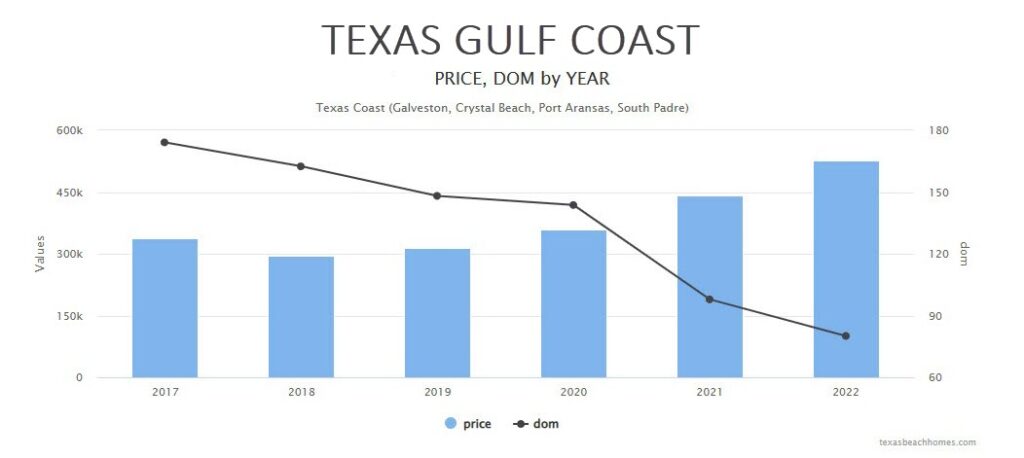
The Texas coast real estate markets have never looked better! Prices are up and the days-on-market shorter. Property is selling for more – and – faster.

The Texas coast real estate market dashboard below shows this ideal market, so how can a big price correction be coming soon?

Google Trends Predicts 40% Market Correction in 2024

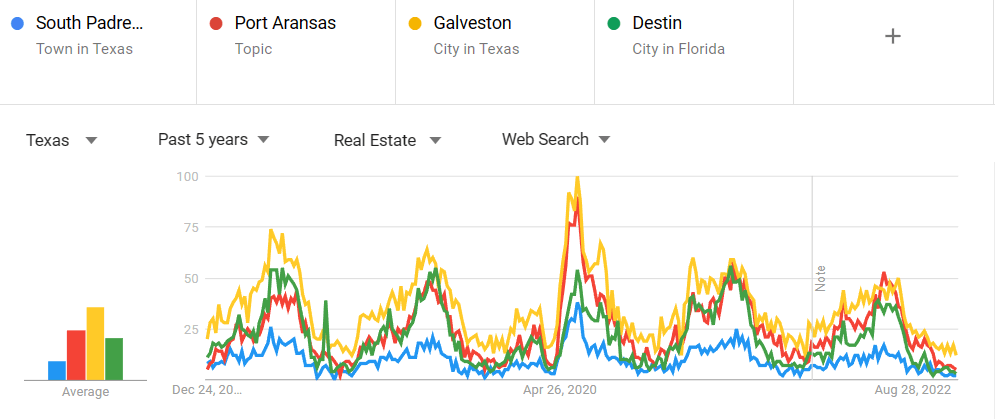
Google Trends allows researchers to track and compare the popularity of certain search terms over time. It is based on search data and can be used to understand the public’s interest in various topics and trends.

  • Google Trends is a useful tool for businesses and researchers to track the popularity of specific topics or products and to make informed decisions based on this data. Combined with other data sources, it can provide valuable insights for forecasting demand in the real estate market.

We discovered Google Trends has historically predicted demand on the Texas coast.

  • We verified this with website analytics and actual sales for the region, including the previous market correction. Google trends improves our ability to forecast real estate cycle peaks and bottoms with unprecedented accuracy, providing you with insights to continually stay ahead of trends in the market.

Here’s a sample Google trends chart of Texas metro search interest for coastal real estate. You can see a pandemic spike in demand. We’ve not seen such a spike since the 2008 market correction.


MLS Sales for Texas Coast Cities

By themselves, our coastal city sales volumes are too small to forecast demand, and while the entire region has enough volume to be statistically relevant, it rarely reacts in a unified manner.

When we analyze Texas coast MLS sales for all cities, we already see the underlying real estate metrics are starting to correlate with metro sales, which indicates sales are beginning to slow down. And in this real estate cycle, the coastal cities are reacting uniformly to the market bubble and coming correction, here’s why:

The Metros and Texas coast reacted to the pandemic-driven real estate bubble with unprecedented demand and 40% price increases.

  • The Federal Reserve’s decade+ quantitative easing money policies put too much cash in the economy.
  • The pandemic released this cash with Inflation; the Federal Reserve reacted by increasing interest rates that are expected to remain high for at least another year.

Metro real estate sales are already on a downward trend, and coastal sales metrics indicate the markets are about to trend down.

  • The Texas coast second-home markets are seasonal and sticky because people don’t have to move-in or move-out for work-related activities.
  • Thus, our coastal markets see prices abruptly drop (or rise) after the summer season that follows a significant change in metro recession-driven demand.

Fortune 500 companies are preparing for a recession.

  • Homebuilder sentiment declined and they’re discounting new housing inventory.
  • Entrepreneurial leaders are warning against big purchases, and tech companies are laying off workers.

CONCLUSION

Experts forecast a real estate slowdown in the metros for 2023; But our data and Google trends data suggests we will see a price correction on the Texas coast in 2024. Coastal real estate purchased near this market bottom will appreciate and make the ownership experience more enjoyable for you and your family!

OPPORTUNITY 

There will be a window of opportunity for profitable coastal real estate investments that won’t become available until we’re near the bottom of the coastal market correction.

Register to be one of the first to know!


ADVICE

Keep an eye on the monthly forecasts to know if (and when) to act, look for real estate sales metrics that correlate with Google Trend’s demand prediction, specifically for average price to decrease; days-on-market (DOM) to increase.

Read more at ridingthepropertywave.com/ 


Note: it is always a good idea to consider a variety of data sources and to carefully evaluate the limitations of research trends for investment decision-making purposes. Consult with real estate professionals who have local knowledge and expertise to help interpret and analyze the data.

Contact us about what you should do for upcoming market changes!

Reference

Comments Off on Google Predicts Texas Coast Market Correction 2024

Margaritaville Resorts on South Padre and Crystal Beach Texas

Margaritaville Hotels & Resorts on the Texas Coast

“Margaritaville is more than a place — it’s a State of Mind. Whichever Margaritaville hotel or resort you escape to, you’ll find a paradise where time goes slower, food and drinks taste better, laughs are louder, and smiles are wider.”

Margaritaville Beach Resort South Padre Island (formerly the Pearl, which was formerly the Sheraton Fiesta Beach Resort)

Margaritaville Beach Resort South Padre Island has opened as the first Texas beachfront resort in the Margaritaville portfolio. Each Margaritaville property is individually owned and operated.

Highline Hospitality Partners, the hospitality investment platform launched by Highline Real Estate Partners (HREP), invested more than $30 million to completely transform the Pearl Hotel South Padre into a Margaritaville resort that reflects the quintessential laidback lifestyle for which the brand is known.

The resort has 200 guestrooms and 50 beachfront condos with one, two, or three-bedroom configurations, and is joined to the Sapphire high-rise. Sonny’s Beach Service offers ocean parasailing and other family-oriented beach entertainment services. Sonnys has been providing the Island’s safest beach activities for over 35 years with experienced boat captains.

Dining options include three restaurants and bars, including LandShark Bar & Grill, which offers indoor and outdoor patio seating overlooking the Gulf of Mexico; the Salty Rim Bar & Grill, a swim-up bar, serving signature cocktails and bar bites; and Joe Merchant’s Coffee & Provisions, a grab-and-go destination for bold coffee drinks and quick bites.

The area’s largest hotel pool, heated all year round, is surrounded by private cabanas and a separate area for kids. Adjacent to the resort is the Sapphire Spa. The resort also hosts meetings, special events, Quinceaneras, family reunions and weddings of every size, offering 8,000 sq. ft. of indoor and outdoor meeting space with access to the latest audio/visual equipment and other convenient amenities.

https://www.margaritavilleresorts.com/margaritaville-beach-resort-south-padre-island


Camp Margaritaville RV Resort Crystal Beach Texas

Camp Margaritaville RV Resort Crystal Beach sets itself apart from other RV destinations, providing a laid-back outdoor experience with all the comforts and conveniences of a luxurious resort. Located on the sunny, picturesque shoreline of the Bolivar Peninsula, this dynamic destination was reimagined from the ground up to offer RV campers an unparalleled, all-in-one beachside haven and entertainment hub.

https://www.margaritavilleresorts.com/camp-margaritaville-rv-resort-crystal-beach-tx


Margaritaville Hotels and Resorts

Comments Off on Margaritaville Resorts on South Padre and Crystal Beach Texas

How to protest a property tax appraisal increase

How to protest your property tax appraisal district increase

Protesting a property tax appraisal district increase can be a complicated process, but if you feel that your property has been overvalued, it’s worth considering.
Here is a step-by-step guide to help you through the process:
  • Research the deadline and procedures: Each jurisdiction has different deadlines and procedures for protesting property tax appraisals. Visit your local appraisal district’s website or call them to find out the deadline for filing a protest, as well as any specific procedures you need to follow.
  • Gather evidence: Before filing a protest, gather evidence to support your claim that your property has been overvalued. This can include comparable sales data, a professional appraisal, or information about any factors that negatively impact your property’s value, such as needed repairs or nearby nuisances.
  • Fill out the protest form: Obtain a property tax protest form from your local appraisal district’s website or office. Fill out the form completely, providing all necessary information, and attach any supporting evidence you’ve gathered.
  • File the protest: Submit your completed protest form and supporting evidence to the appraisal district by the deadline. You can usually submit your protest by mail, in person, or sometimes electronically. Make sure to keep a copy of everything you submit for your records.
  • Attend the informal meeting: After you file your protest, you may be invited to an informal meeting with an appraiser from the appraisal district. This is an opportunity to present your evidence and discuss your concerns. Be prepared to make your case clearly and calmly.
  • Attend the formal hearing: If you’re not satisfied with the outcome of the informal meeting, you can proceed to a formal hearing before the Appraisal Review Board (ARB). At the hearing, you will present your evidence and arguments, and the appraisal district will present theirs. The ARB will then make a decision on your protest.
  • Appeal the decision (if necessary): If you’re not satisfied with the ARB’s decision, you may be able to appeal it to a higher authority, such as a district court or the State Office of Administrative Hearings. Check with your local appraisal district for details on the appeals process.
Remember that the process and specific steps may vary depending on your local jurisdiction, so it’s crucial to consult with your local appraisal district to ensure you’re following the appropriate procedures.

Will asking the appraisal district for information help?

Yes, asking the appraisal district for information can be helpful during the process of protesting a property tax appraisal increase. The appraisal district can provide valuable information and guidance on the protest process, deadlines, and necessary forms. Additionally, you may be able to obtain more information about your property’s valuation, which can be useful when preparing your protest.
Here are some specific ways in which contacting the appraisal district can help:
  • Clarification on procedures: The appraisal district can explain the specific steps you need to follow to file a protest and provide you with any necessary forms or documents.
  • Understanding your property’s valuation: You can request information on how your property was appraised and the factors considered in determining its value. This information can help you identify any discrepancies or issues you’d like to challenge.
  • Comparable sales data: The appraisal district may be able to provide you with sales data for similar properties in your area, which can help you build a case for a lower valuation if the comparable properties have lower values.
  • Assistance with deadlines: The appraisal district can inform you of important deadlines, ensuring that you submit your protest and any supporting documentation on time.
  • Guidance on the appeals process: If you decide to appeal an unfavorable decision, the appraisal district can explain the process and any additional steps you need to take.
Remember that while the appraisal district can provide useful information and assistance, it’s essential to do your research and gather evidence to support your protest. This may include obtaining a professional appraisal, researching comparable properties, and documenting any factors that negatively impact your property’s value.

Do not discuss taxes at your hearing.

This may sound unusual. You are hoping to reduce how much you pay in property taxes for the year, right?
Remember, you are filing a protest regarding your home’s appraised value, not your tax bill. Value is the only thing you can protest. In fact, the appraisal district may think you are appealing for the wrong reasons if you say your property taxes are too high.

Will unique repairs be needed, or will damage help?

Yes, unique repairs needed or damages to your property can help support your case when protesting a property tax appraisal increase. If your property requires significant repairs or has unique damages that negatively impact its value, you can use this information to argue that the appraisal district has overvalued your property.
Here’s how to use this information in your protest:
  • Document the repairs or damages: Take photos of any significant repairs needed or damage to your property. If possible, obtain written estimates from contractors or other professionals detailing the cost of repairing these issues.
  • Show the impact on property value: Research and gather evidence to demonstrate how these repairs or damages negatively affect your property’s value compared to similar properties in your area that are in better condition. This might include comparable sales data or professional opinions from real estate agents or appraisers.
  • Include the information in your protest: When you file your protest, include the documentation of repairs or damages, along with any estimates or other evidence that shows how these issues impact your property’s value. Clearly explain in your protest that you believe the appraisal district has overvalued your property due to these unique factors.
  • Be prepared to discuss the issues: If you attend an informal meeting or formal hearing with the appraisal district, be prepared to discuss the repairs or damages and how they impact your property’s value. Bring your documentation and be prepared to answer any questions or provide further information if needed.
Keep in mind that the success of your protest will depend on the strength of your evidence and the overall impact of the repairs or damage on your property’s value. Be thorough and clear in presenting your case to improve your chances of a favorable outcome.

Strategies to achieve a favorable outcome

  1. Be kind, do not discuss taxes, it’s only about appraised value.
  2. Take your value notice, turn it over, fill the thing out and mail it in. That satisfies the legal requirement of filing a protest.
  3. Since the appraisal is based on other homes around you, ask the appraisal district for the comparisons they are using. They must tell you which houses they are comparing yours to in order to determine your appraised value.
  4. Drive around and take pictures of the comparable properties the appraisal district used and show evidence of how your property doesn’t compare to them.
  5. Document any unique repairs or damages that reduce the value compared to similar properties.
  6. Get right to the point. When you do have your hearing, you only have about 3 minutes to speak.
Keep in mind that the success of your protest will depend on the strength of your evidence and the overall impact of the repairs or damage on your property’s value. Be thorough and clear in presenting your case to improve your chances of a favorable outcome.
Comments Off on How to protest a property tax appraisal increase

South Padre and Galveston make top ten beach ROIs

South Padre Island and Galveston make top ten beach property ROIs!

Vacation rental management platform released a report ranking the top ten US destinations for purchasing a beach home in 2023 based on the highest annual cap rate, or annual rate of return on investment.

The list includes:

  1. Lake Anna, Virginia – 12.1% cap rate, median home sales of $385,000
  2. Hatteras Island, North Carolina – 9.51% cap rate, median home sales of $412,500
  3.  Navarre, Florida – just over 8% cap rate, median home sales of $370,000
  4. Palm Coast, Florida – 8.08% cap rate, median home sales of $300,000
  5. Ocean Shores, Washington – 7.47% cap rate, median home sales of $315,000
  6. Myrtle Beach, South Carolina – 7.34% cap rate, median home sales of $230,000
  7. South Padre Island, Texas – 7.27% cap rate, median home sales of $300,000
  8. Galveston, Texas – 7.21% cap rate, median home sales of $287,000
  9. Gulf Shores, Alabama – 7.19% cap rate, median home sales of $350,000
  10. Virginia Beach, Virginia – 7.18% cap rate, median home sales of $300,000

Despite soaring real estate prices, demand for vacation homes remains strong, and the report highlights profitable opportunities for those looking to invest in a beach home in 2023.


How to calculate ROI cap rate?

The capitalization rate (cap rate) is a metric commonly used in real estate to evaluate the potential return on investment (ROI) of a property. It is calculated by dividing the property’s net operating income (NOI) by its current market value or purchase price. Here’s the formula:

Cap Rate = (Net Operating Income / Property Value) x 100

To calculate the cap rate, follow these steps:

Determine the property’s net operating income (NOI): NOI is the annual rental income generated by the property minus the annual operating expenses. Operating expenses include property taxes, insurance, maintenance, property management fees, and other costs associated with running the property. Mortgage payments are not considered part of operating expenses.

Example:
Annual Rental Income: $30,000
Annual Operating Expenses: $10,000
Net Operating Income (NOI): $30,000 – $10,000 = $20,000

Determine the property’s market value or purchase price: This is the price at which the property is bought or its current market value.

Example:
Property Value: $250,000

Calculate the cap rate: Divide the NOI by the property value and multiply the result by 100 to express it as a percentage.

Example:
Cap Rate = ($20,000 / $250,000) x 100 = 0.08 x 100 = 8%

In this example, the cap rate for the property is 8%.

A higher cap rate indicates a higher potential ROI, but it may also come with higher risk. When comparing investment properties, the cap rate can be a useful metric to gauge their relative profitability.

Keep in mind, though, that the cap rate is just one factor to consider in real estate investing, and it’s essential to perform a thorough analysis of the property and the local market before making an investment decision.

See sales reports at TexasBeachHomes.com

Comments Off on South Padre and Galveston make top ten beach ROIs